
We need your assistance.
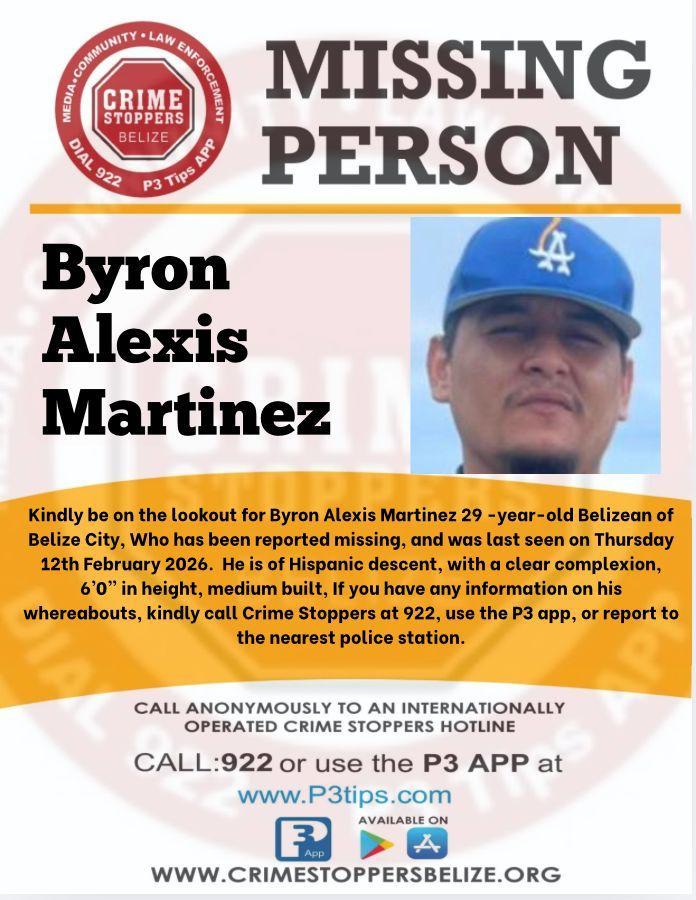
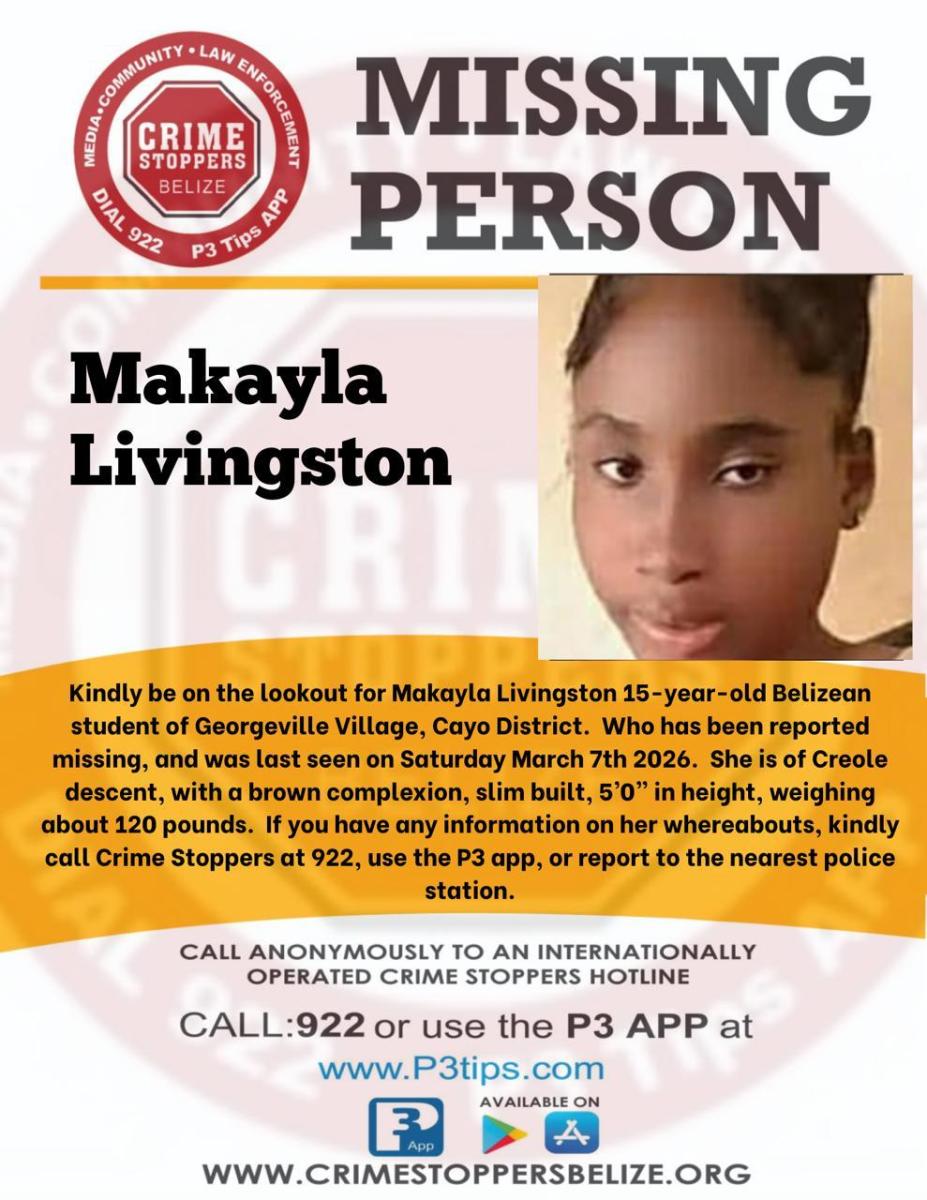
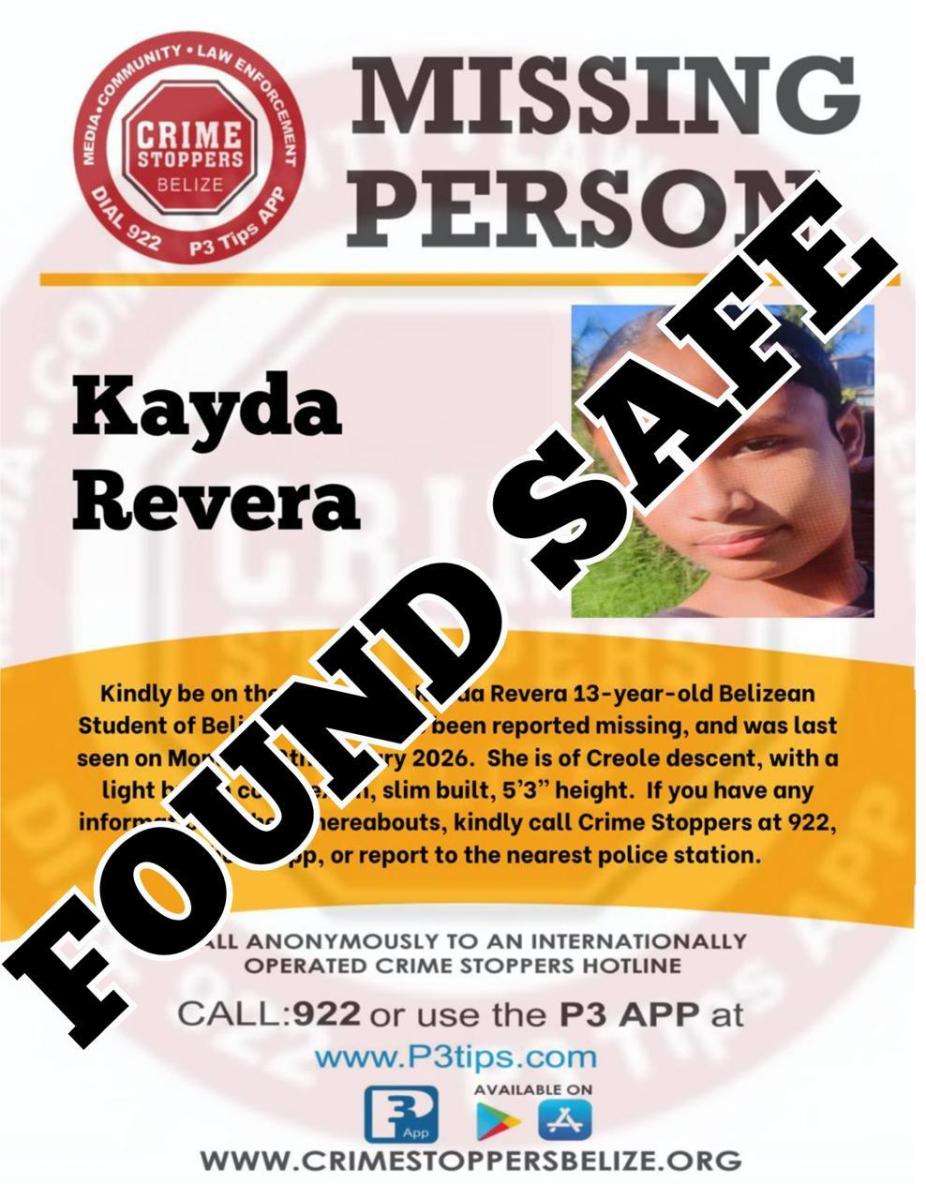
Most missing person cases are resolved quickly and often involve a voluntary departure linked to personal distress. However, while our department leads the official investigation, the success of a missing person case often relies on the rapid, vigilant support of the community. Local knowledge and immediate sightings are invaluable.
We urge the public to:
- Review all shared information on the missing person’s profile carefully.
- Report all tips immediately to the dedicated police avenues or emergency line. You may also submit anonymous tips via P3 Tips App from Crime Stoppers Belize.
- Understand that even a seemingly insignificant detail—a specific direction of travel, a peculiar article of clothing, or an unusual demeanor—can be the critical piece of information that leads to a positive outcome.
Working together—law enforcement and the community—is the most powerful strategy to bring a missing person home safely.












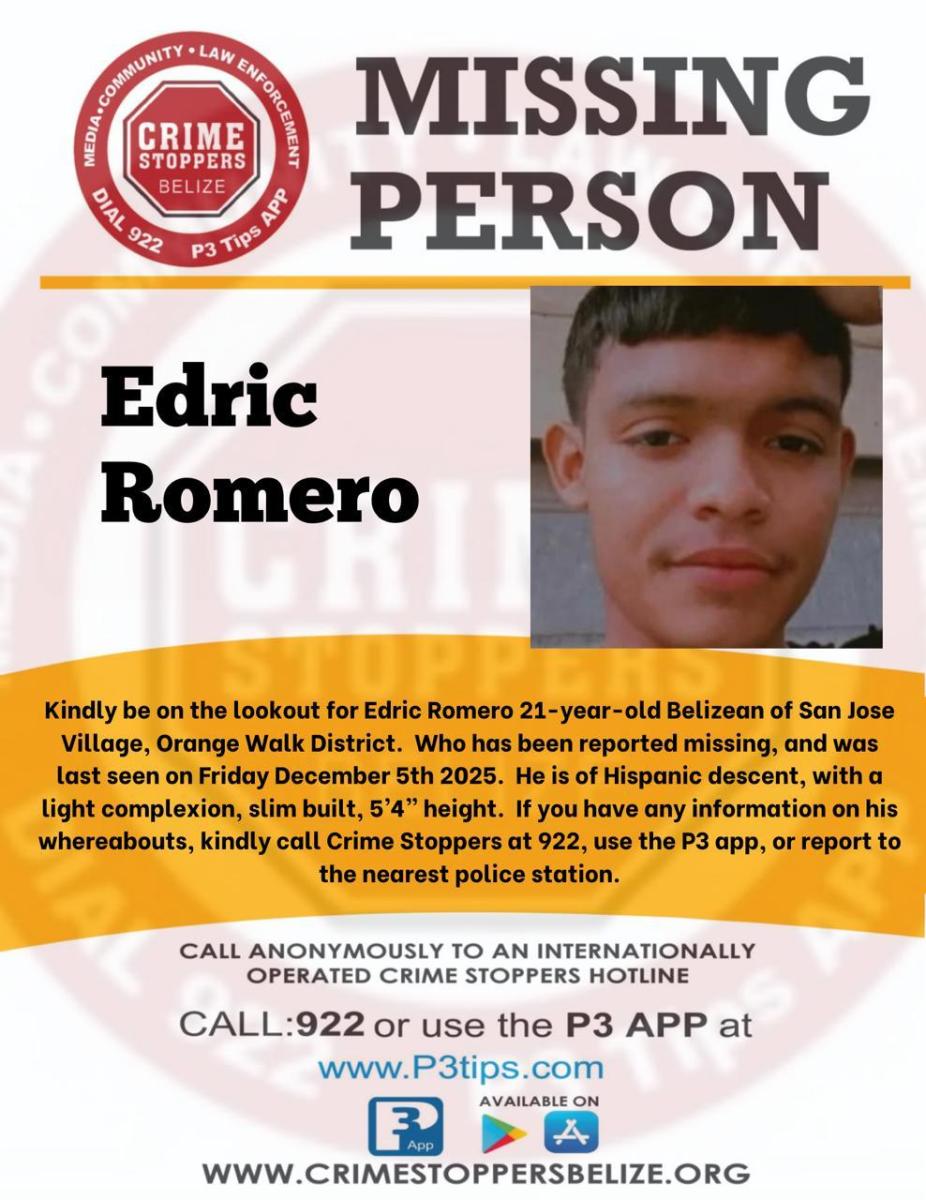

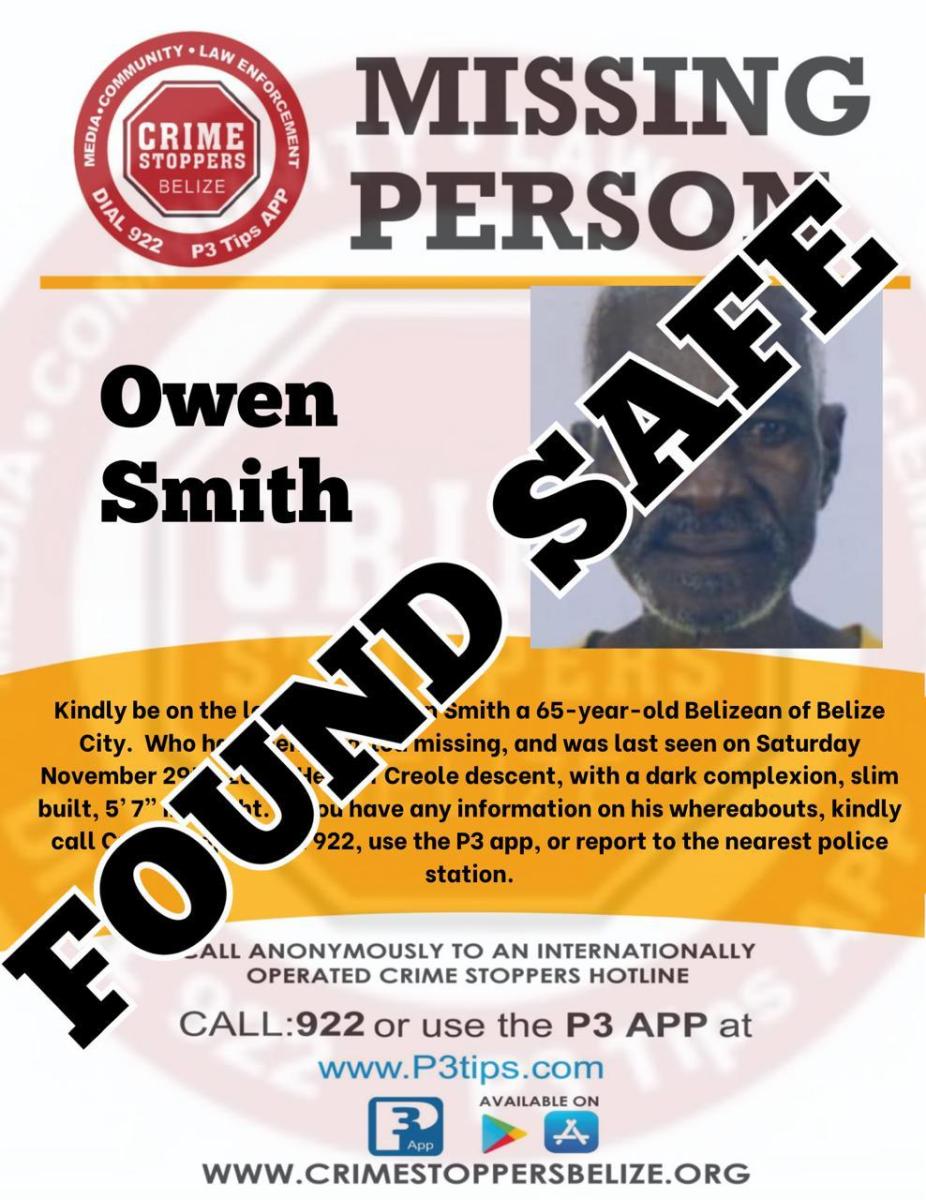
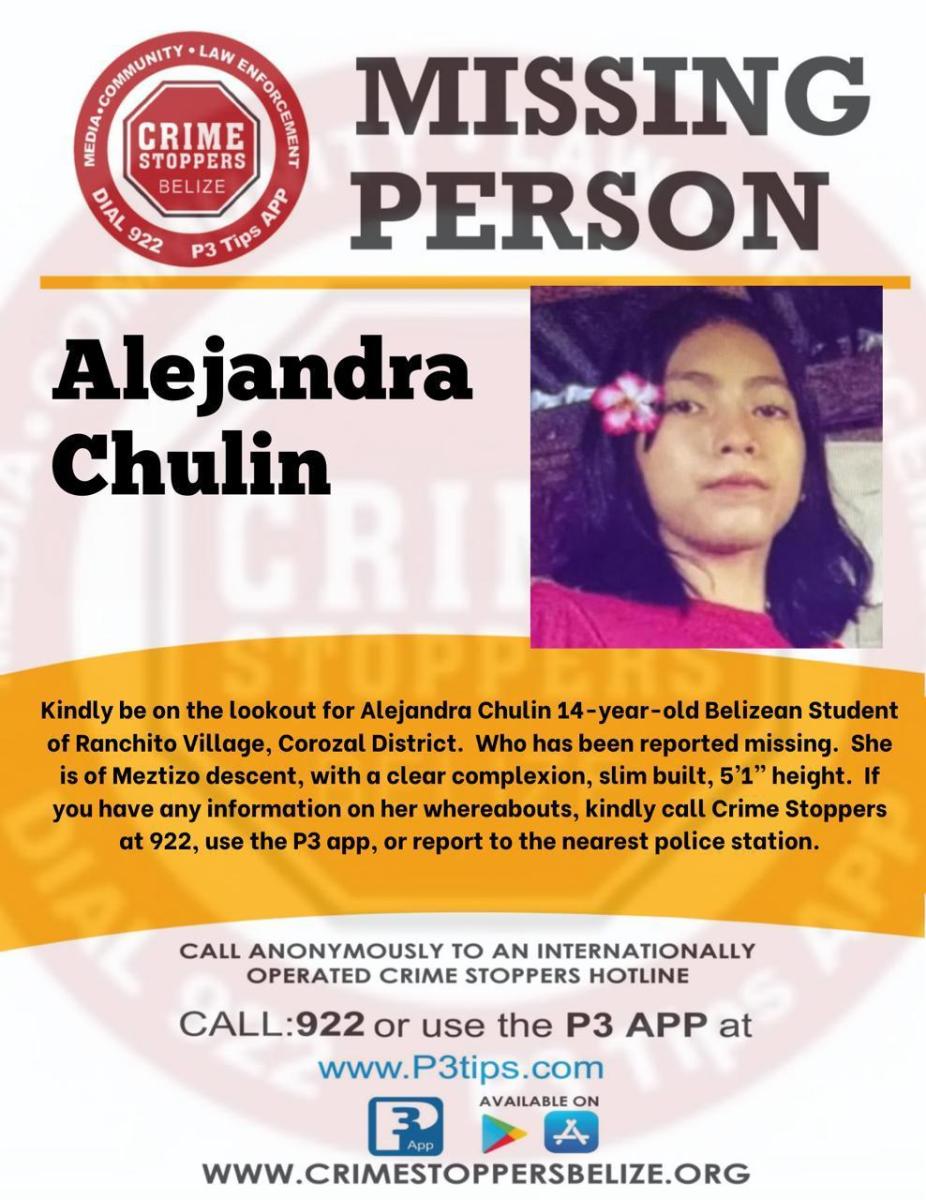
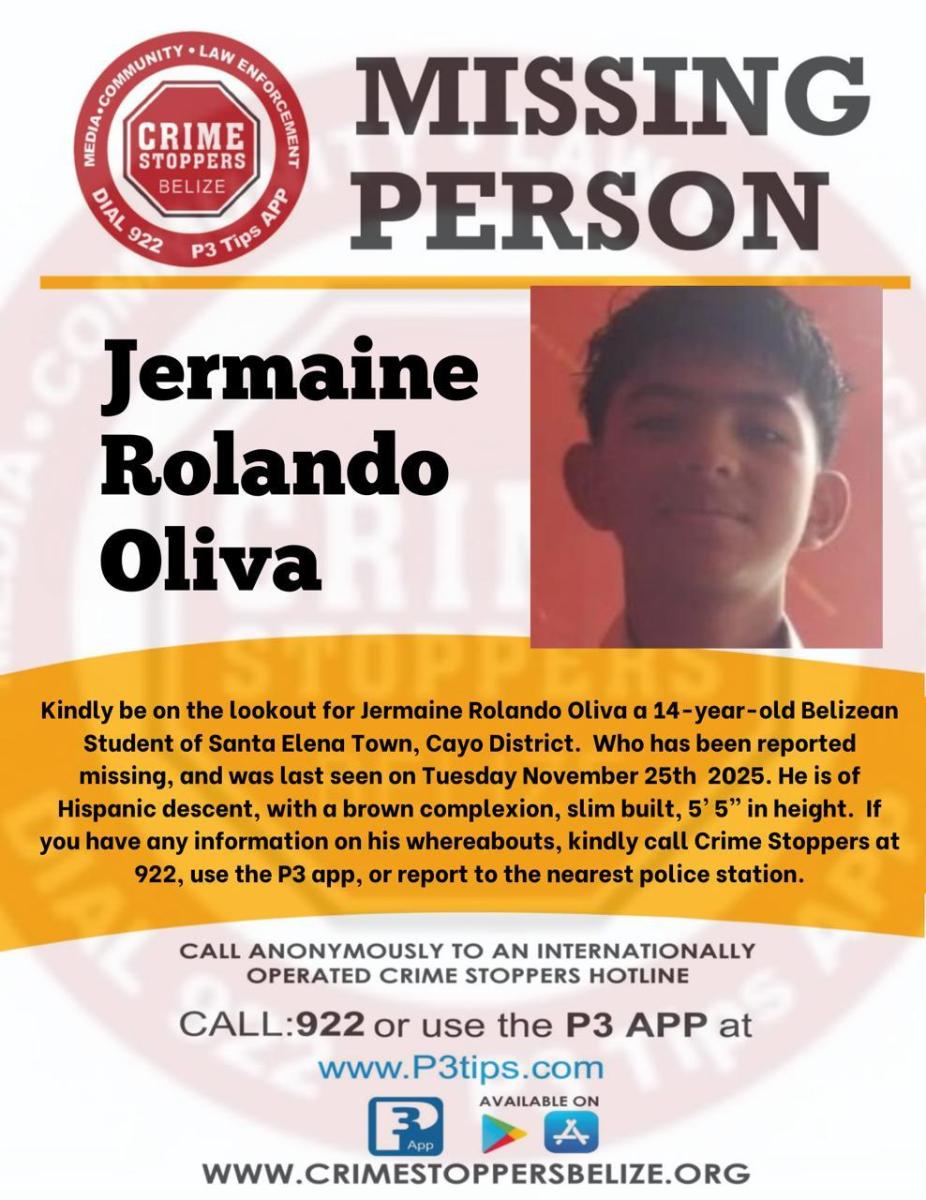
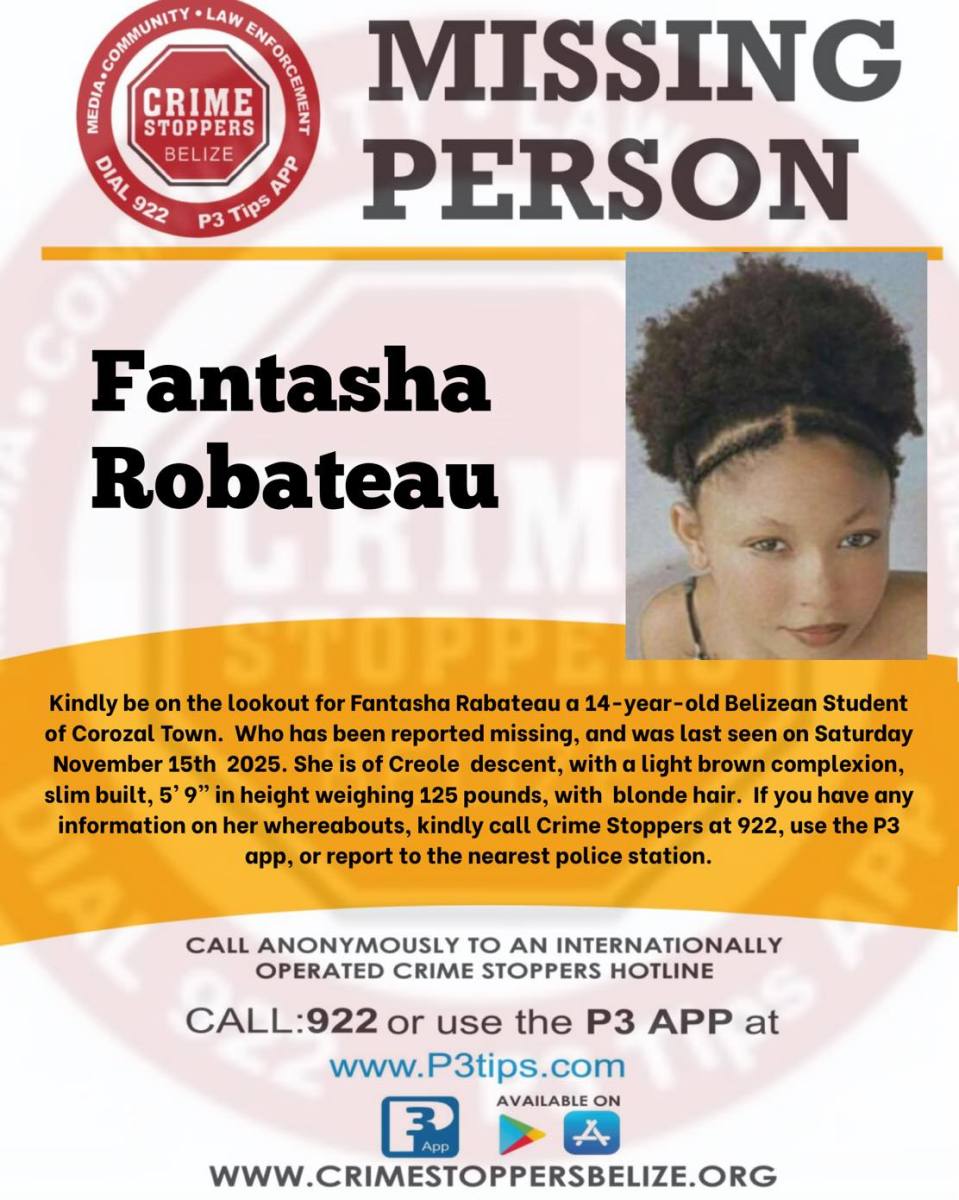

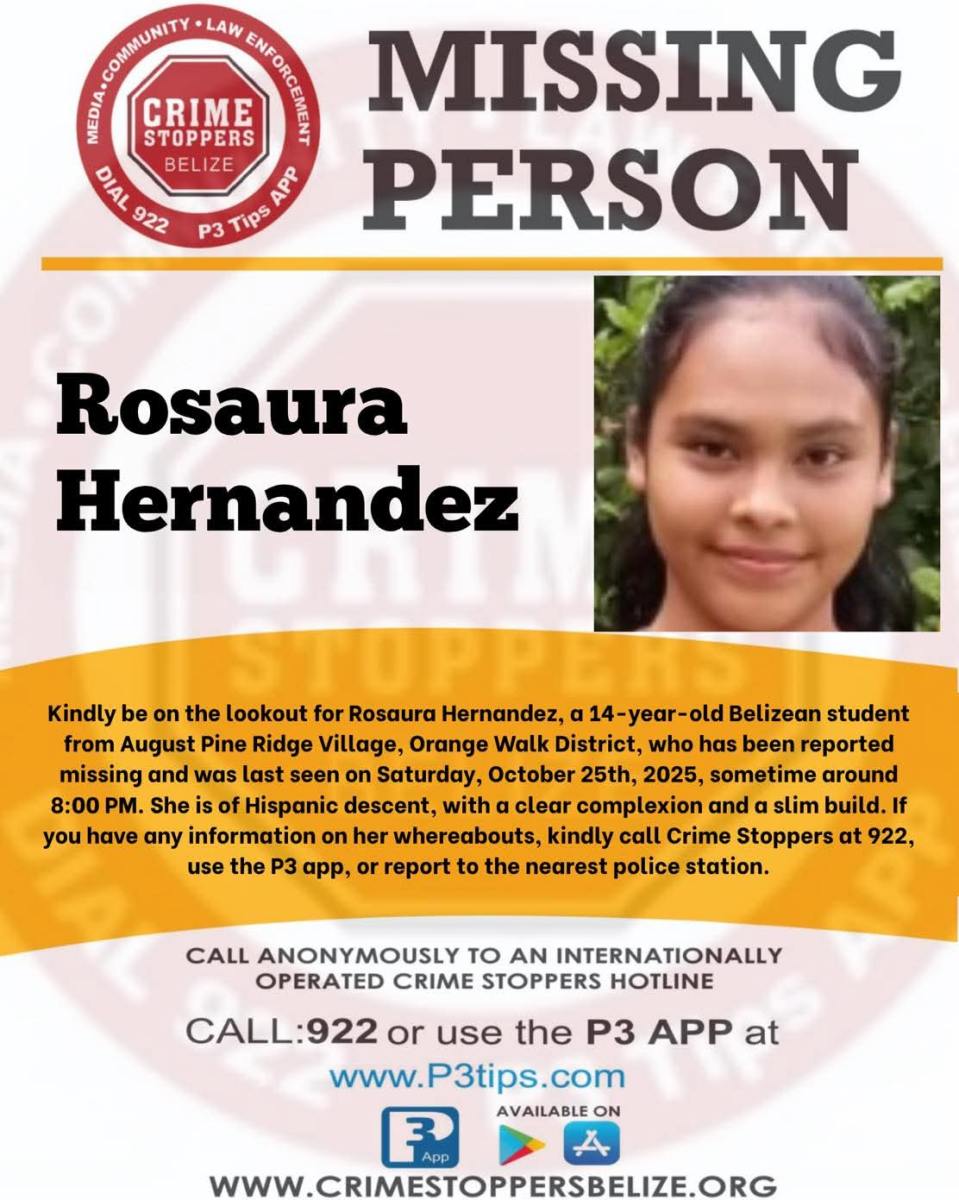

Why do people go missing?
People go missing for a wide range of complex reasons, which are generally grouped into three main categories: voluntary disappearance (the person leaves on their own accord), involuntary disappearance (due to health issues or accident), and foul play (due to criminal activity).
What to do when someone you know goes missing?
– Initial Steps (Stay Calm & Contact)
- Stay Calm: Call parents, spouse, children, workplace, school, close friends, and anyone who might know their location.
- Delegate Calls: Ask everyone you call to help make contact attempts.
- Keep Contact Info: If you go out, ensure everyone you’ve called has all your contact numbers.
– Immediate Search (Back-Tracking)
- Back-Track Routine: Check the missing person’s regular route to/from work or school.
- Check Key Locations: Look at nearby places, neighbors, video arcades, malls, nightclubs, or any place you can’t reach by phone.
- Check Family/Home:
- Check the other parent (if separated) and the spouse’s ex.
- Thoroughly check your own home—they might be home quietly (especially for children).
- If elderly (possible Alzheimer’s), check former residences or places they used to work.
– Reporting to Police
- Make a Report Quickly: The sooner the report is made, the more likely the person will be found.
- Persuade Police (for adults): If police are reluctant, convince them you have checked likely places and that this behavior is abnormal.
- Provide Details: Give a clear description including height, weight, hair/eye color, scars, birthmarks, and identification (earrings, glasses, etc.).
- Provide Photo: Offer a recent photograph (less than 2 years old for adults, less than 6 months old for children).
– Re-evaluating (Past Days & Running Away)
- Review Recent Events: Go over the past few days. Was there an argument that might have caused them to run away? Is there a school problem?
- Consider Painful Truths: Could a spouse have run off? Could an elderly parent have wandered off due to forgetfulness?
– Special Circumstances
- Teenager Runaway: Search their room thoroughly for missing clothes or signs of involvement in illegal/untoward activities. Check their computer/online contacts.
- Kidnapping: Provide the police with all information and suspicions, including the name/description of any suspect.
– Follow-Up and Publicity
- Document Everything: Make a list of everyone contacted and everywhere searched, including when, to avoid wasting time.
- Review List: If they are still missing after a few days, review the list and follow up.
- Maintain Contact with Police: Do not blame the police, but keep contacting them for updates and provide any new information you have.
- Call Media: Contact newspapers, radio, and television stations to publicize the disappearance.
- Posters: Make copies of photos and put them up in the neighborhood and places the person frequents. Always ask permission from businesses first.
- Don’t Give Up: Your determination is the most important factor. Some missing persons have been found after many years.